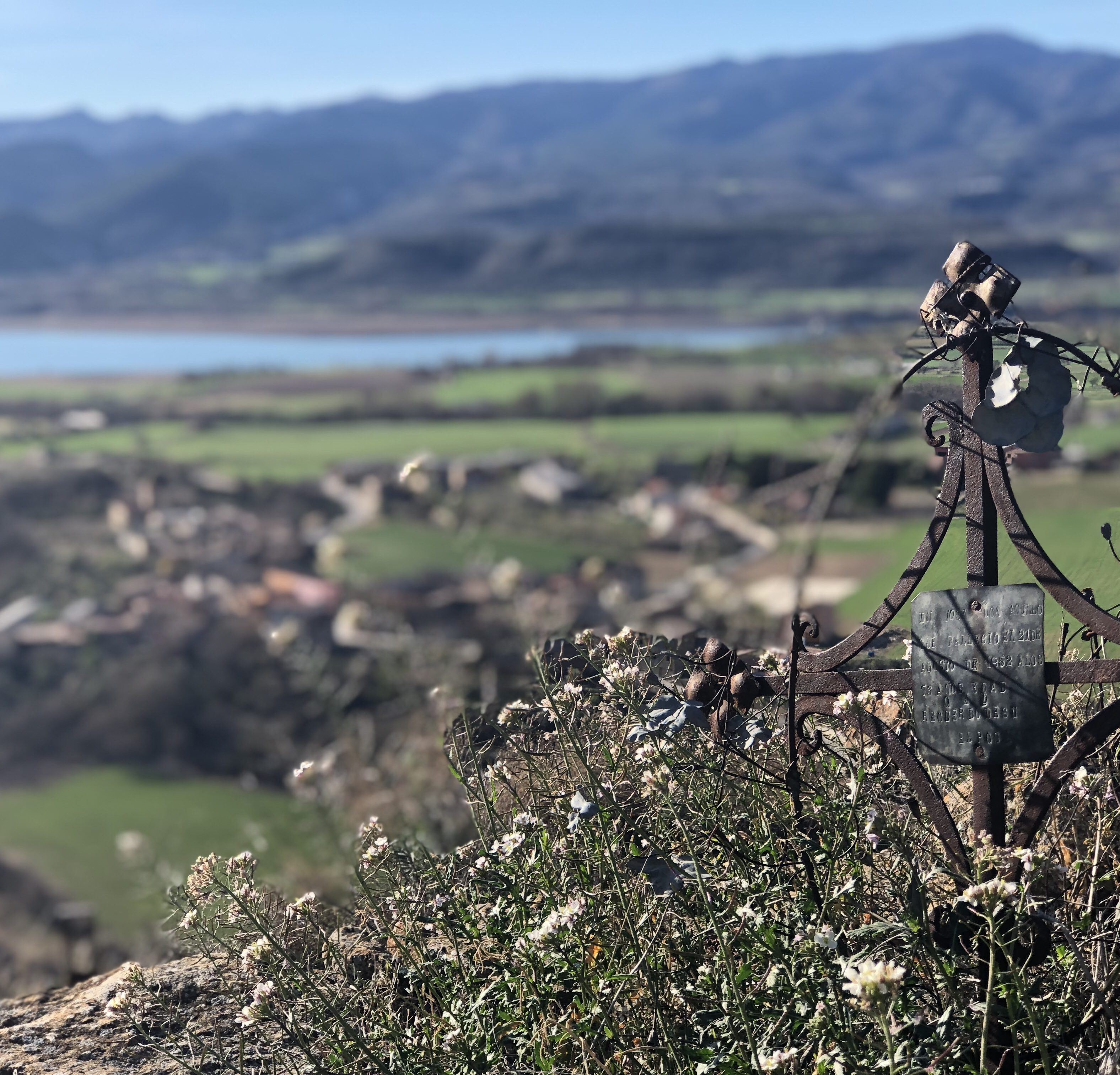
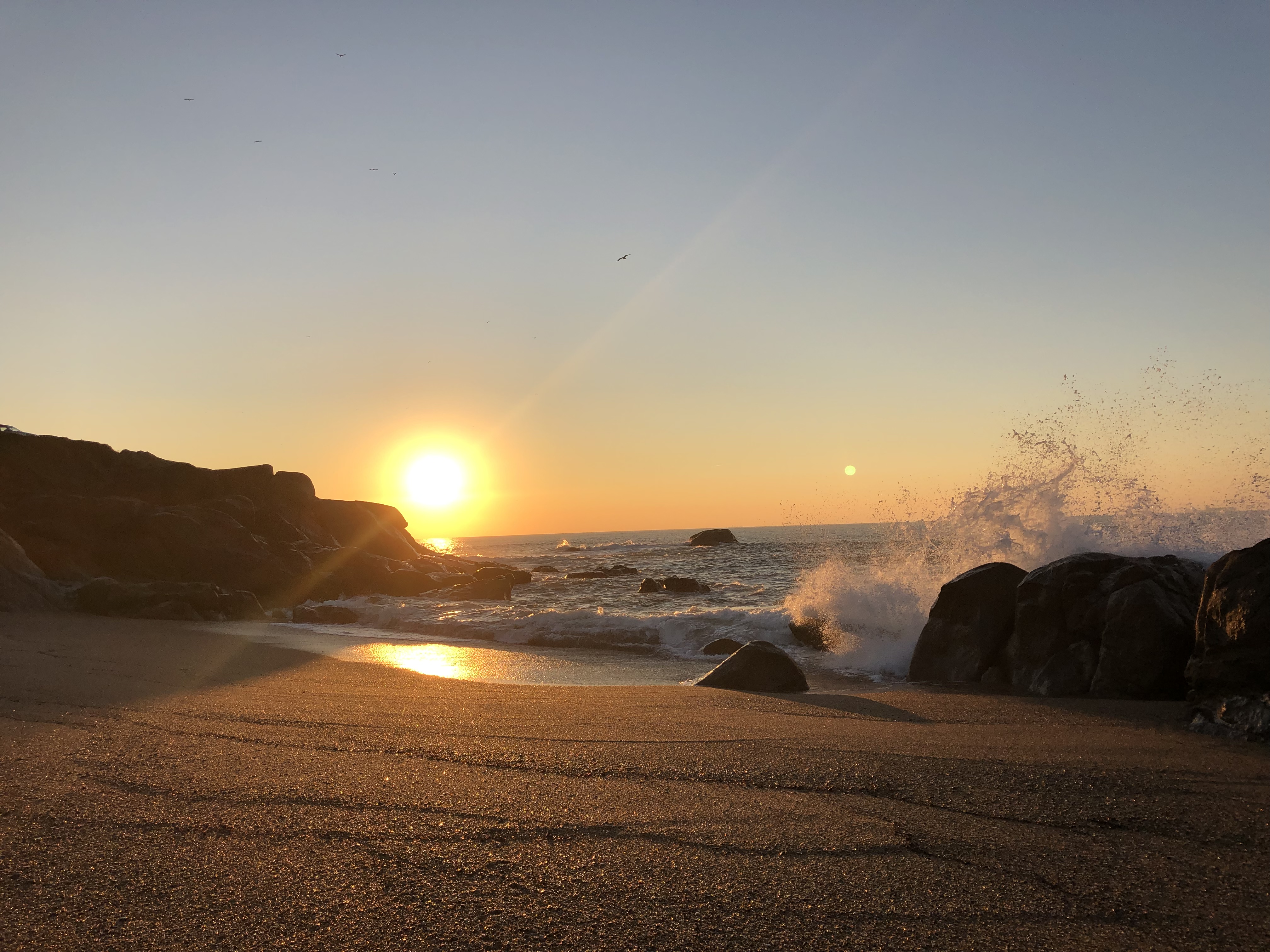
At the beginning of 2019, my partner and I went to Portugal. It was my first time there. This piece will be about the food, colonialism, monuments, and the strange relationship it has with the country I currently reside in: Andorra.
Normally, I try not to write about food as I consider it to be outside of my territory. Yet I’ll do it for Portugal as it’s a cuisine to die for.
The staple dish is cod, which is surprising, as the Atlantic waters off the coast of Portugal are not nearly cold enough to catch it. They must import it from Norway. Thus, their national dish is an import!
But the cod was hardly my first choice in Portugal. My favorite was the Francesinha, a work of the gods hidden in the mortal form of a sandwich. A modern riff off of the Croque Monsieur in France, it was brought to Porto in the 1960s. The best description for it would be “Porto soul food,” consisting of a heavenly layer of sausage, ham, and stacked slices of steak between two slices of white bread and coated with a divine tomato and alcohol infused sauce. I’m still recovering from the invigorating experience of trying this dish for the first time. It might’ve taken a year off my life but I can say without hesitation that it was worth every single bite.

Then there are the pastries. Oh lord, the pastries. The most iconic is the nata, a cupcake-shaped egg tart doused in cinnamon. A creation of the Catholic monasteries in Lisbon, they were an accidental discovery, engendered from the surplus egg whites that were normally preserved to starch the nuns’ clothing. When the monasteries began to close after revolutions in 1820, the nuns and priests who inhabited these monasteries began to sell these little heavenly pastries as a way to bring in some much needed revenue. Little did they know that they would lead a pastry revolution that spread itself around the globe as Portugal colonized different parts of the world, carrying the nata with them.
Taking all of this in consideration, I have one crucial recommendation for anyone traveling to Portugal: eat, with minimal breaks. Don’t be ashamed, there’s a plethora of gorgeous monuments to visit that can help you burn off all those calories you’ll have consumed.
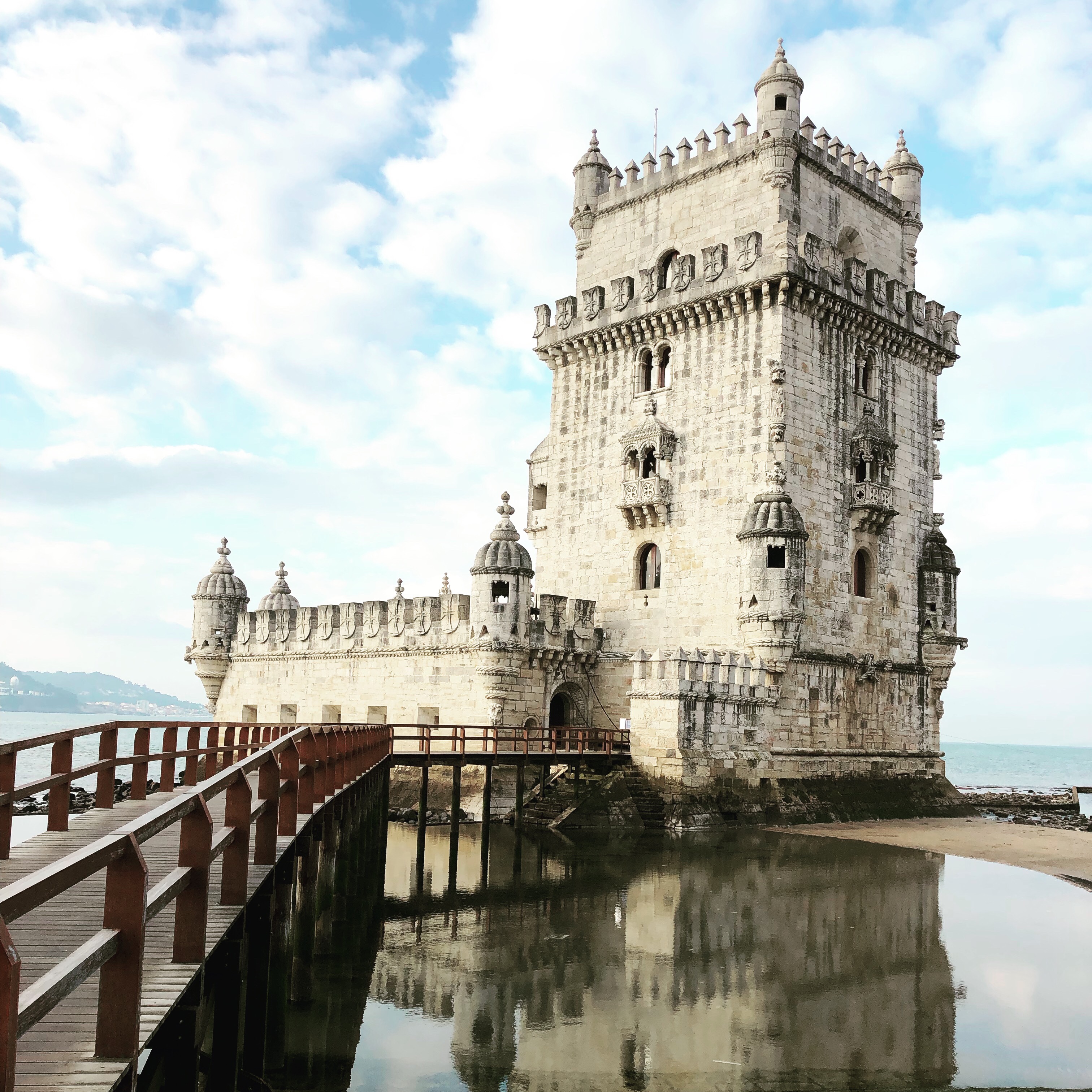
We visited plenty of those monuments. My personal favorite was the Belem Tower in Lisbon. The picture I will post fails to capture its magnitude. Designed as a gateway to Portugal during the Age of Exploration, it served to simultaneously welcome and intimidate guests upon entry to the Portuguese empire of the 16th century. Close to the Belem tower, there is a large map on the concrete that reveals every discovery the European powers made during this time. A combined sense of awe and apprehension envelops you as you ponder the effects that the early days of colonialism has had on the tides of global affairs, an effect that ripples to the modern day. Yet here on this square, next to a port overlooking the longest Iberian river on a cloudy day, I lacked the words to articulate it.
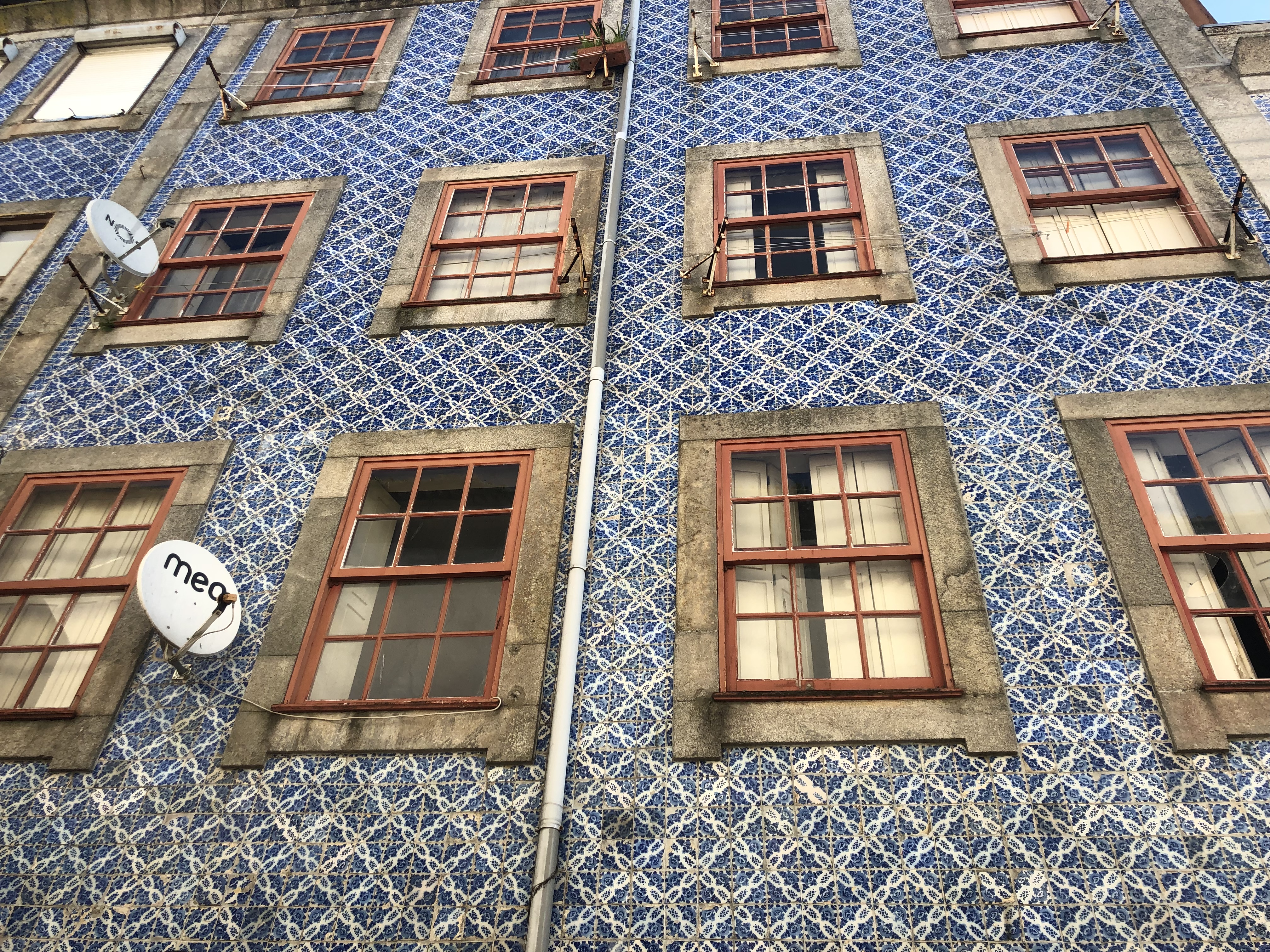
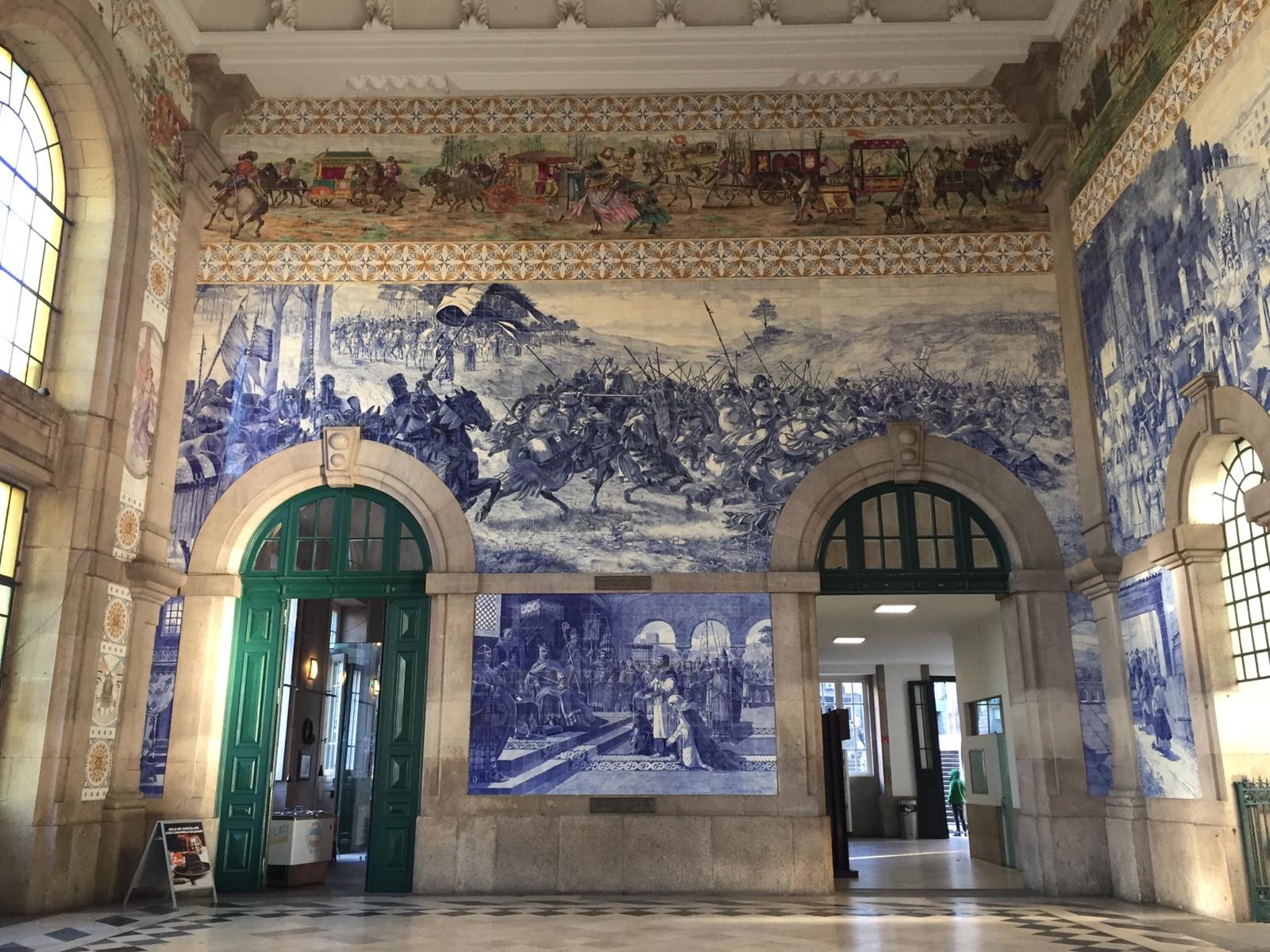
Besides the Belem Tower, any building in Porto with Azulejo caught my attention. The famous tile work in Spain and Portugal, influenced by Arabic and Persian mosaics that now adorn houses, churches, train stations, and businesses all across Portugal. It’s the reason you buy that postcard in the first place. Yet beyond that, it represents evidence of the Iberian Peninsula’s connection to the Far East even before the Age of Exploration, a symbol of their relationship with the rest of the world. Why wouldn’t you buy that blue postcard or fridge magnet?
Nonetheless, Portugal has its problems. I was unaware how deep they went until I moved to Andorra and realized the full scale of mass unemployment in the northern region of this Iberian nation.
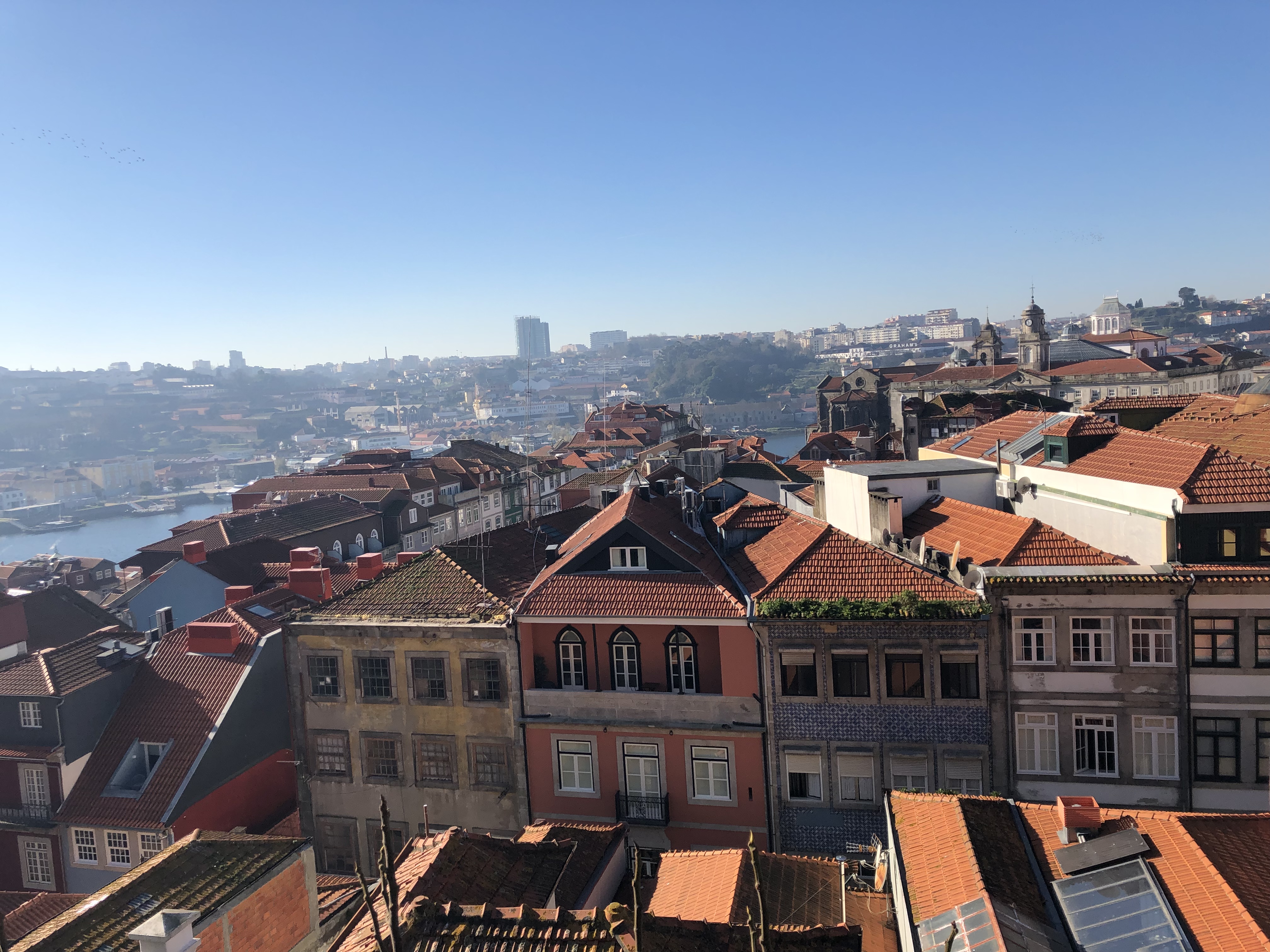
At the dawn of the economic recession in 2009, Portugal awoke with a feeling of nervousness and anxiety. They were Western Europe’s poorest country even before the world economic collapse ten years ago, and during this time, they were hurdling down an even darker, more unsure road.
The result was the desperate emigration of 300,000 young people (Portugal has 10 million citizens, so that’s three percent of the country’s population) from their country to look for employment. A large number of those young people were from the Northern region of the country.
I learned this from my own experience living in Andorra, a tiny principality in the Pyrenees with a lot of Portuguese citizens. The majority of these Portuguese workers have taken blue-collar jobs: mechanics, construction workers, electricians, and so forth. Andorra has developed their infrastructure in the last thirty years and they have done so on the backs of Portuguese men and women. They have suffered for it. A dozen of Portuguese workers – 5 of whom died – constructed a bridge designed to connect two parishes in Andorra. While they were laying cement for the construction of the viaducts, the temperature dropped too low, resulting in the collapse of one of the viaducts. There is a small plaque commemorating the tragedy as you walk the trail that passes under a bridge before the tunnel.
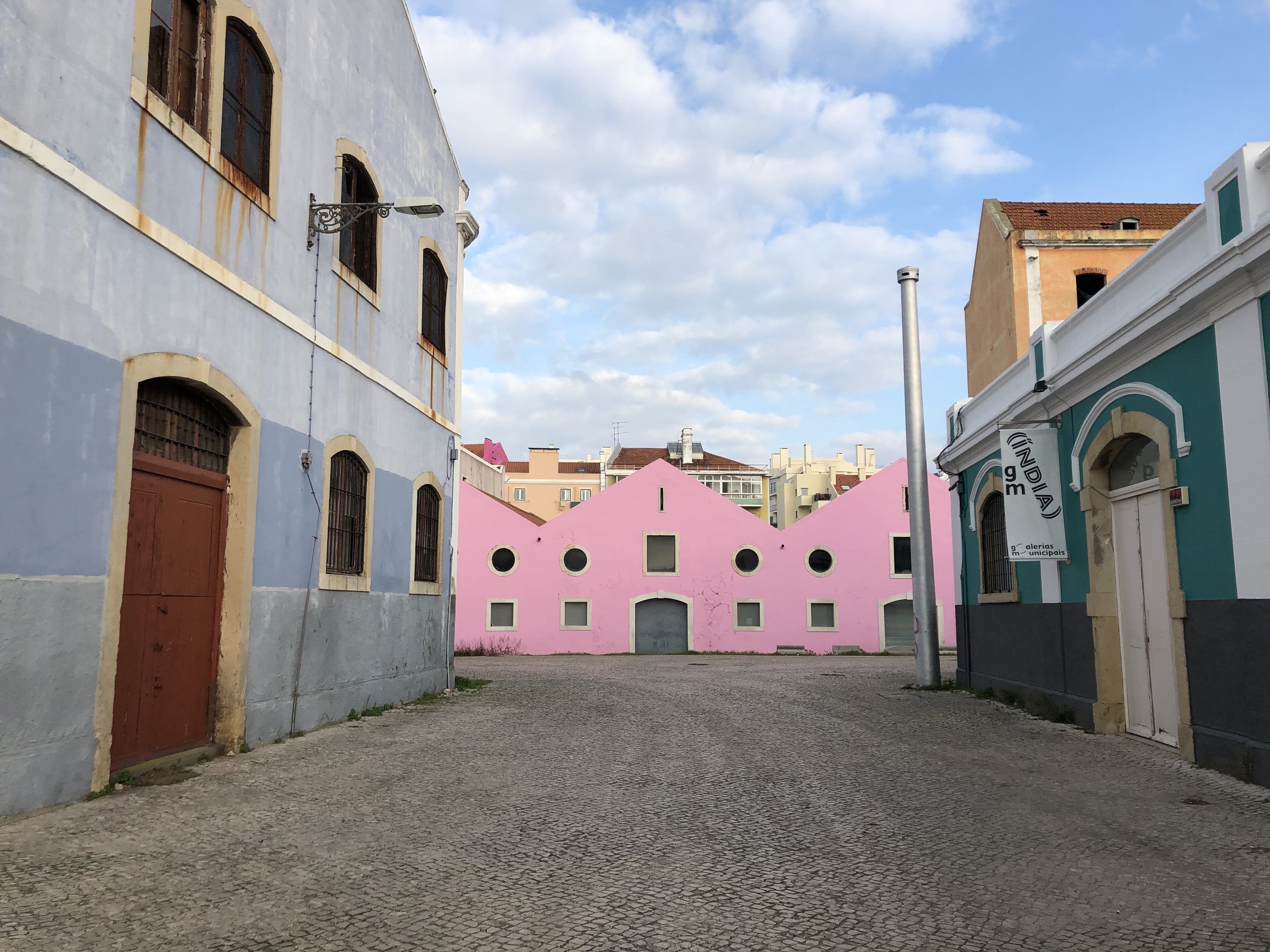
I believe Portugal to be one of the most beautiful, peaceful countries in all of Europe. Tourists tend to opt for other countries in Western Europe such as England, Spain, and France. Don’t get me wrong; I love all of those countries. Yet there’s a calmness in the air I’ve yet to experience anywhere else in Western Europe. People are friendly and proud of their country despite their economic problems. All of the Portuguese in Andorra I’ve met return home for the holidays and speak of their homeland with deep fondness. After a short time there, I can see why.
 Bird On the Wire