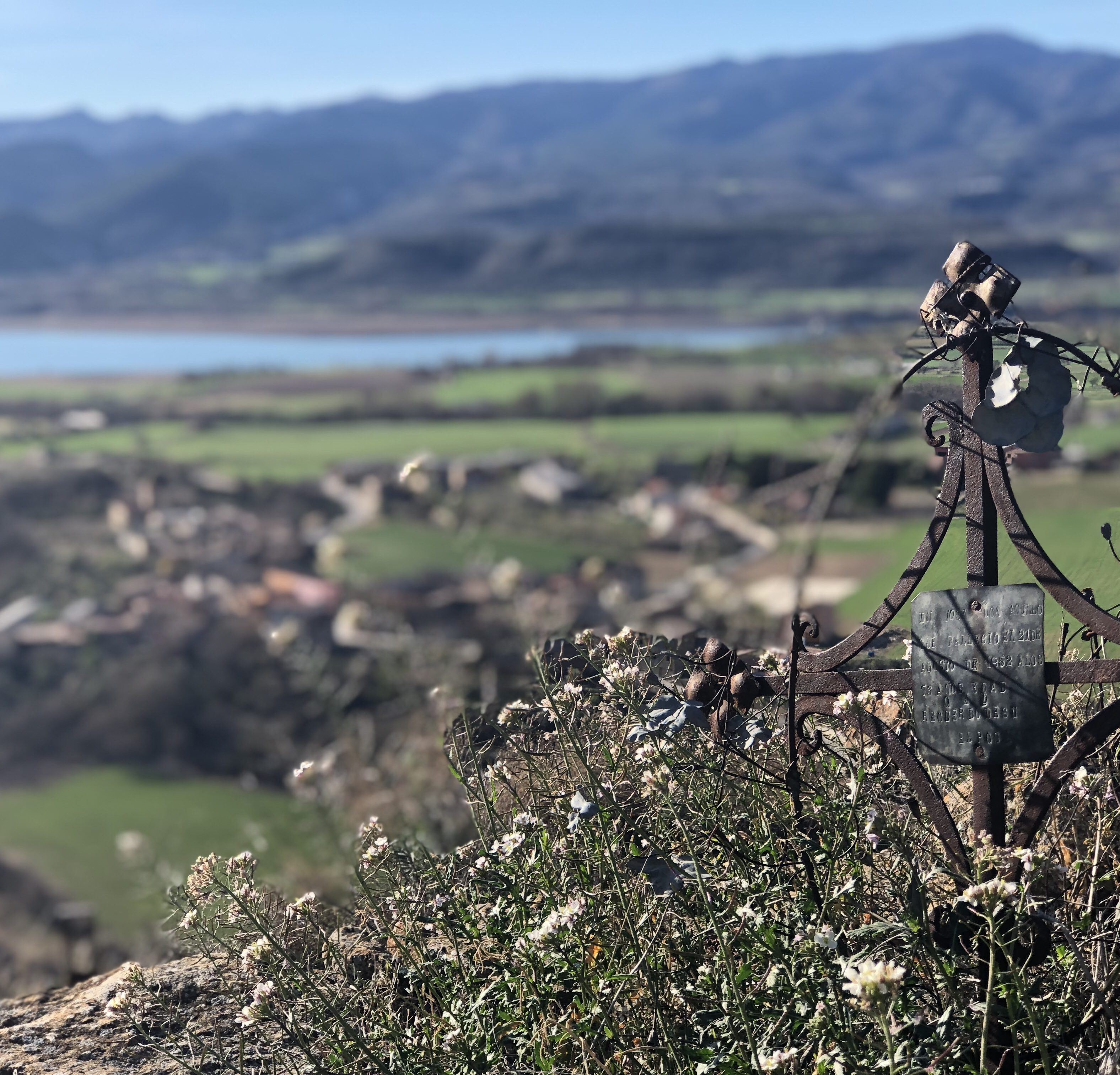
Albania was the kind of country I visited with zero prior knowledge. I fell in love with it very quickly.
I checked into my hostel, set my bag down next to my bunk bed, plugged my phone into the outlet and stepped out onto the small balcony overlooking the Illyria square in Durres, Albania, the second largest city in this small, unnoticed Balkan nation. In the center of this plaza stood a large fountain that sprouted arcs of water in each cardinal direction. The square’s mosque, Xhamia E Madhe, was adjacent to my balcony. I sat listening to the call to prayer softly echoing throughout the city. The sun was gently setting over the Adriatic.
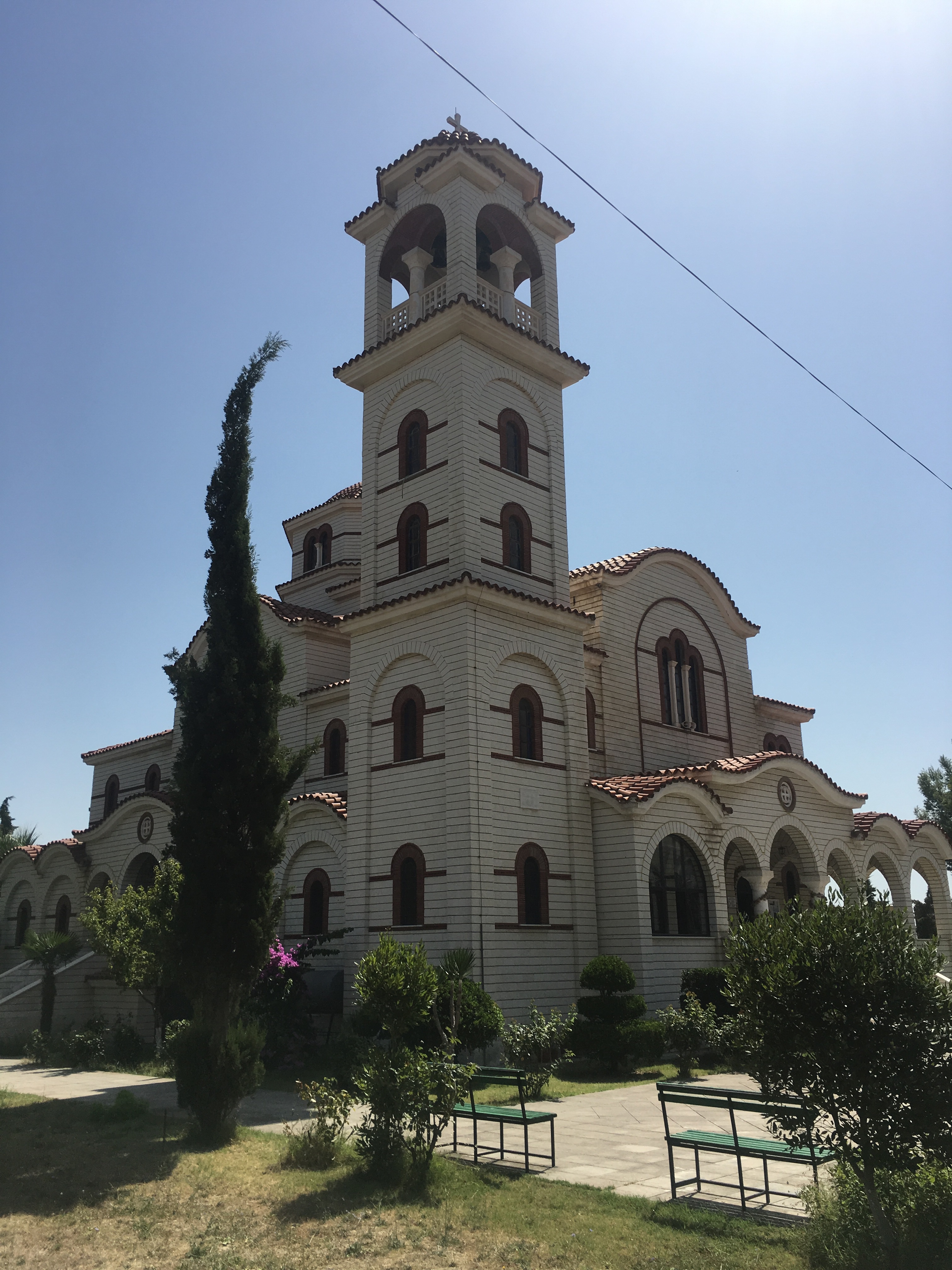
Albania is perhaps the most forgotten nation in all of Europe. An enigmatic mist blurs its history from anyone outside the Balkans. I didn’t even know the name of their dictator of 40 years before arriving into this underdeveloped, yet stunningly beautiful mountainous country in the Balkans. Enver Hoxha formed the communist party of Albania in a tobacco shop in Tirana, the country’s quirky capital, in the 1930s. When he took power, he began modernizing Albania via collective farming, nationalizing banks and businesses, outlawing religion, and executing dissidents. After Stalin died, he turned to Mao for aide for another two decades. He was also notoriously paranoid; war bunkers scatter throughout Albania (approximately 15 per square mile, according to Wikipedia), constructed by Hoxha as a security measure against the Americans he was very certain would bomb him during the height of the Cold War. They’re now a prime selfie location.
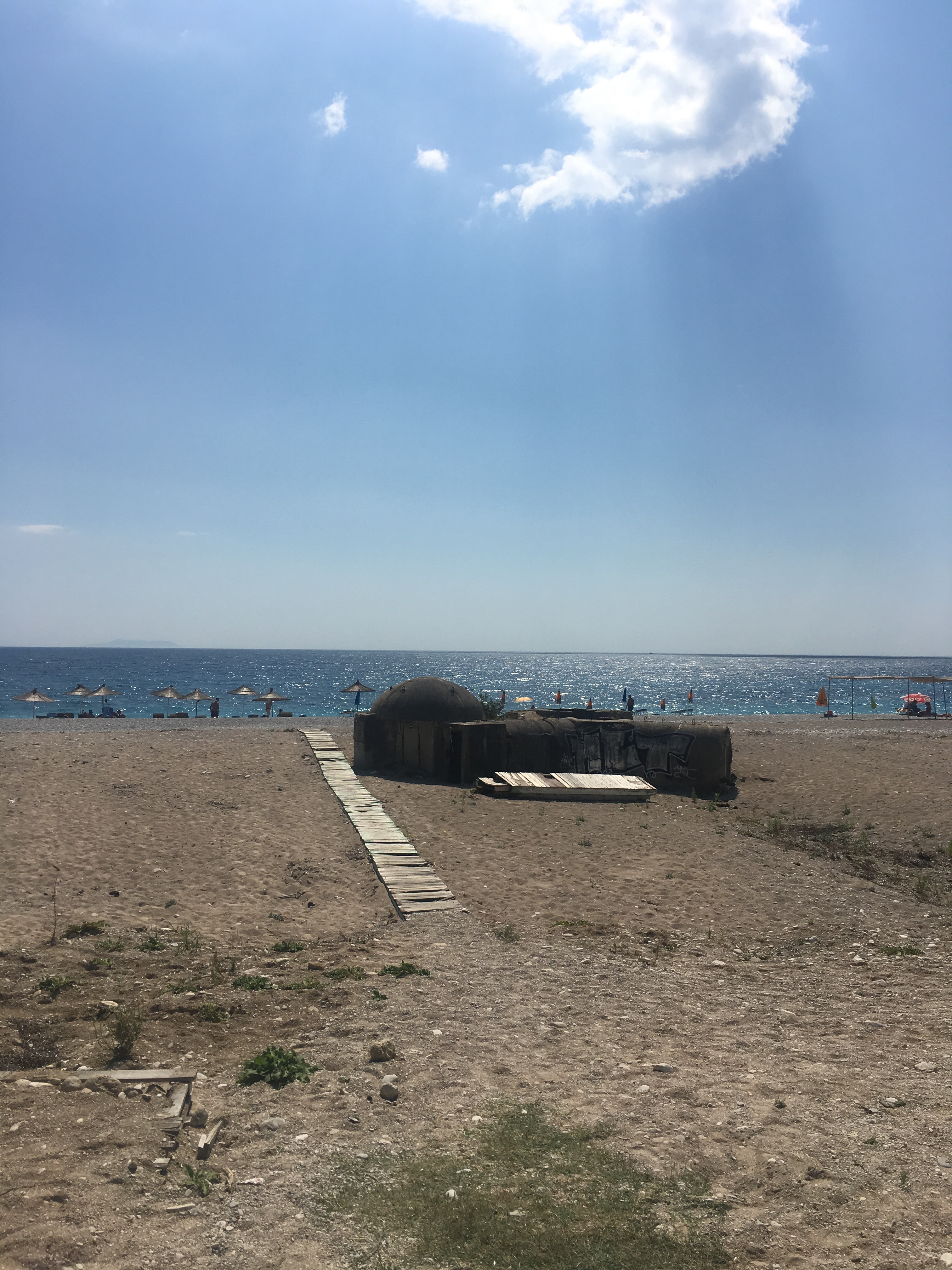
Hoxha died in 1985, yet Albania is slowly still waking from a deep nightmare under his rule. Since this time, the country has gradually transitioned from being a former ironclad communist nation devoid of free thought and expression to a tourist location for Europeans looking for the next place to vacation.
I learned all of this from a local Albanian girl who gave me a walking tour of the city. She showed me ruins from the Romans, Greek, Byzantine, and Ottomans, all of who passed through Albania at some point in time. Albania is, historically, inseparable in her domestic and foreign affairs, a country where larger empires have always slithered around the corner waiting to strike. From this perspective, perhaps the bunkers spread around the country are not too surprising after all. Despite the constant invaders, Albanians still retain an unwavering pride for their nation, particularly their language that is an Indo-European anomaly. It’s incredibly difficult to grasp, I could barely say, “thank you” clearly.
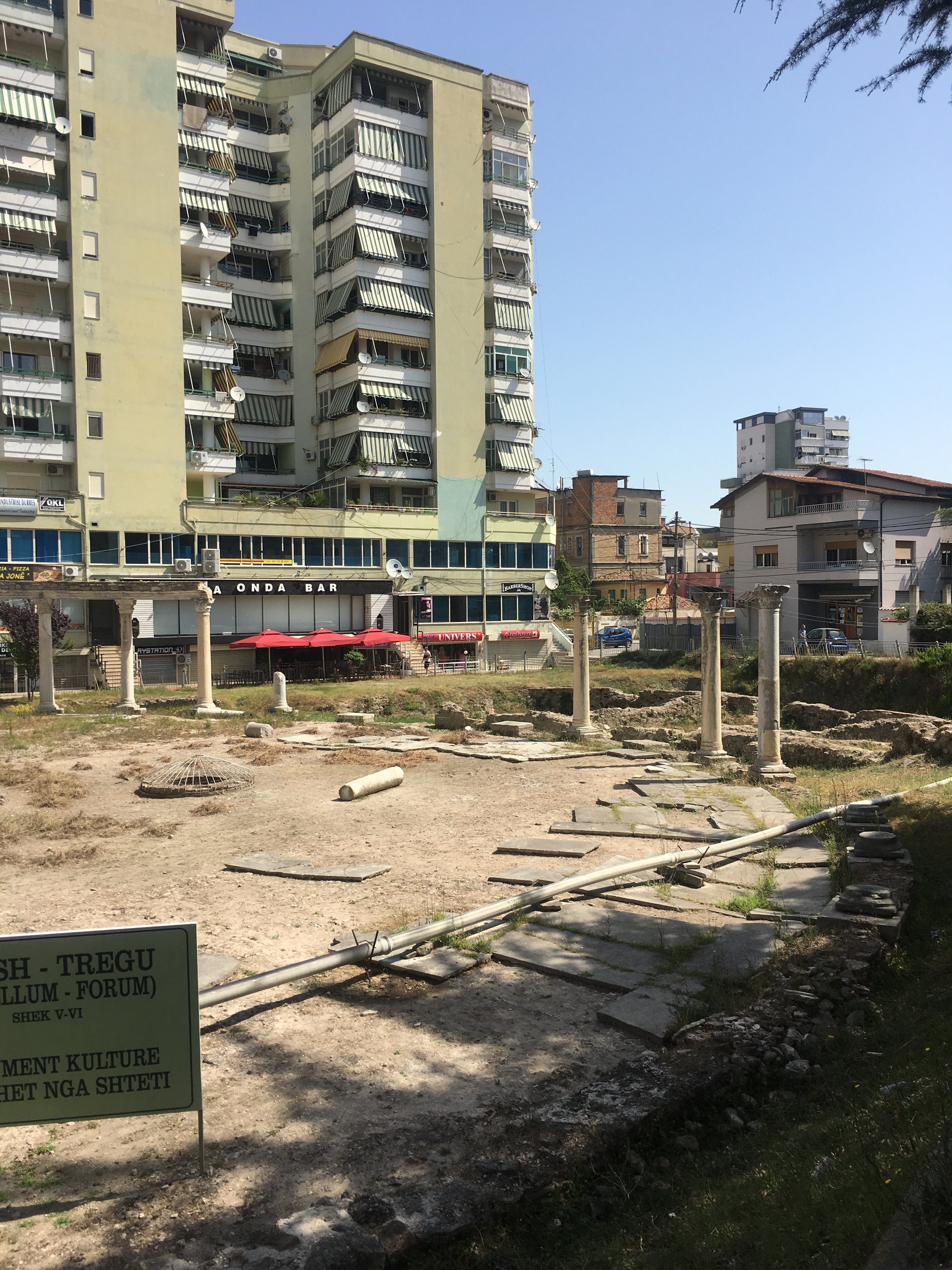
My guide showed me the ruins of an old market from the Byzantine era discovered only a year before I visited. The mayor had recently given the city permission to excavate the region in order to build new hotels. The idea behind the developments is to transform Albania into the next Miami Beach. They’ve accidentally unearthed markets all over Durres that date back to ancient Greece. The guide voiced her disapproval at the government’s decision to modernize Albania. “That fountain in the main square was a Greek fountain from 4th century BC until they made it into a tourist destination. It now has neon lights and looks very tacky. The fountain before was beautiful. I used to spend my childhood evenings there with my friends eating ice cream and chatting. Now it’s not the same.”
She then showed me a statue of Queen Teuta. I know nothing about her, I told her. “She was the Queen of the Illyrians, the original Albanians,” she explained. “The Romans detested her because she used to attack their ports and vessels in order to maintain independence for her people. Rome was always trying to take over the other side of the Adriatic Sea; it was a very strategic place for them militarily. They would later wage war on us, but Queen Teuta refused to be subjected to Roman rule. After the conflict, she threw herself from the Orjen Mountains in the North. She would have rather killed herself than allow herself to be controlled by the Romans. We love her for that. She’s our feminist icon, which is very important to me, as I think sexism here is atrocious. We need more women like her today.”
Afterwards, we went to a beach outside the city that was crowded with tourists. “You see? It’s already happening,” she told me. “It wasn’t like this a year ago. The beach was quiet. You could get a chair without a problem. Now there are all these beach bars. Techno music will be next.” I don’t doubt her. After the beach, we got ice cream, an Albanian tradition, she said. “We all love our afternoon ice cream and to walk through the city as the sun sets. And how could you not? The sea looks so beautiful when the sun touches it.” She was right. There was a glow to Durres during the sunset that showed it in a new light I hadn’t noticed yet, a light fetching a history of empire and rebellion. I drifted off to sleep later that night with this light still sketching patterns behind my eyes.
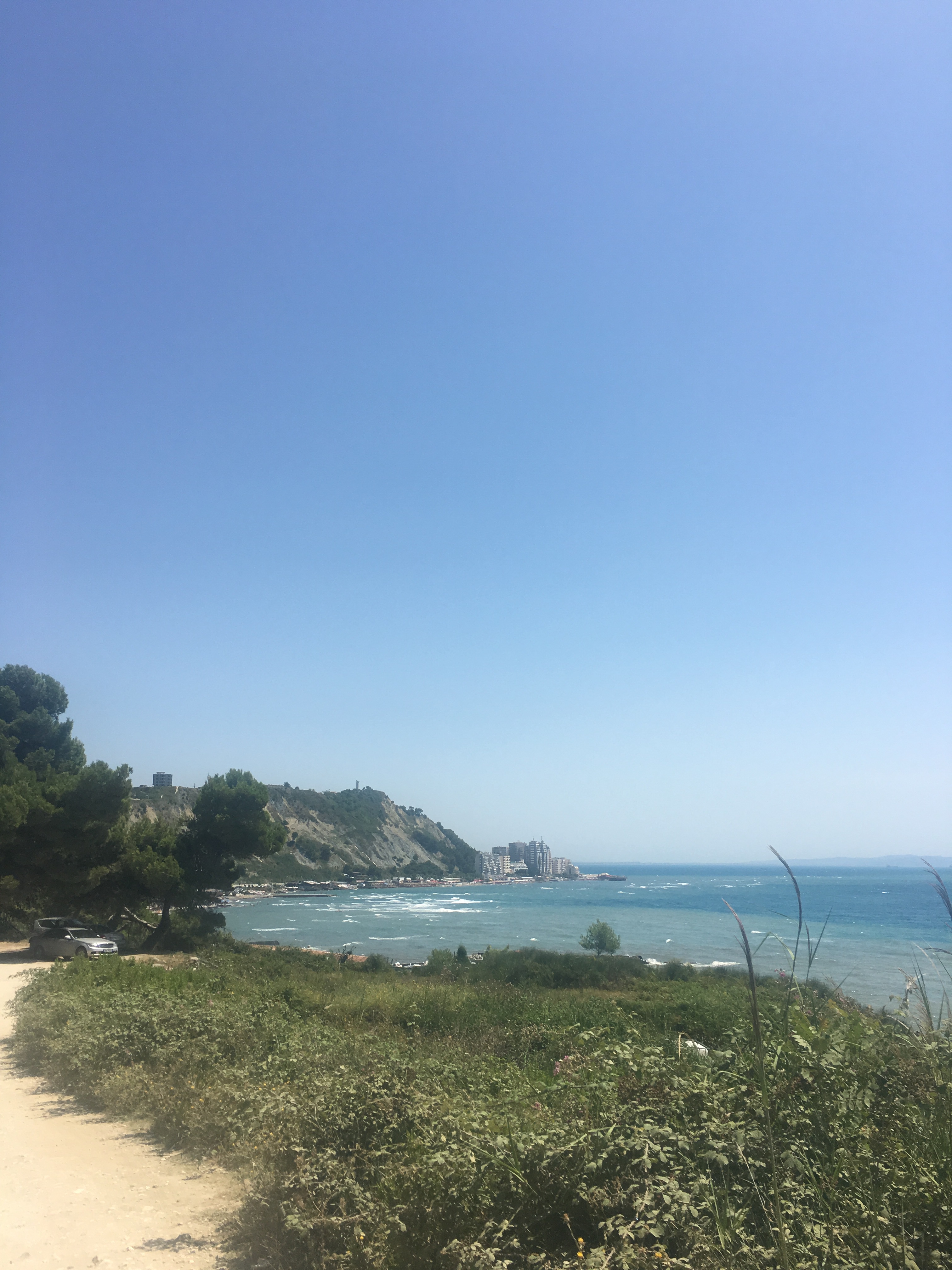
The contrast between old and new is astounding in Albania. You witness someone stepping out of their front door after a long sleep to discover that their neighborhood has changed without them, so they hasten to copy their neighbors. Albania is working towards becoming a tourist destination. I’m probably participating in the process by writing this piece. Locals have mixed feelings about it; Albania is poor, underdeveloped. A tourist industry could open up job opportunities and pour money in to the country. The result, however, may raise corruption levels and bulldoze more Greek fountains and Byzantine markets so as to raise beachfront hotels from the ground, ushering in a wave of tourism. The historical charm of the city might evaporate into the mist and disappear before our eyes. Before many have a chance to truly see the country for which queen Teuta once threw herself from the mountaintop.
 Bird On the Wire